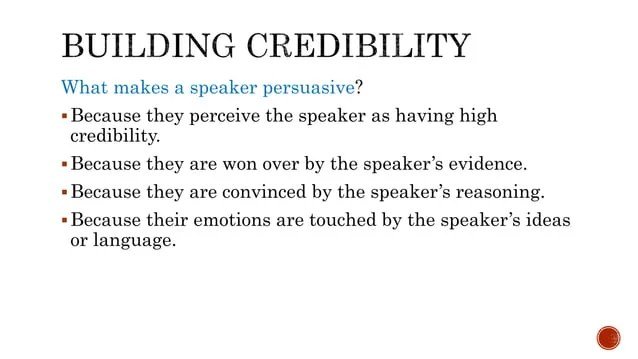
When you stand before an audience, do your words truly stick? Do they resonate, lodge themselves in listeners' minds, and subtly sway their perspective? Mastering Alliteration for Public Speaking: Boosting Memorability and Persuasion isn't just about crafting pretty phrases; it's about making your message unforgettable and undeniably impactful. It’s a sonic secret weapon, leveraging the power of sound to capture attention, clarify complex ideas, and forge a deeper connection with your audience.
In the bustling theater of public discourse, where attention spans are fleeting and information overload is the norm, your ability to make your points pop is paramount. Alliteration, the artful repetition of initial consonant sounds in adjacent or closely connected words, is a timeless rhetorical device that can transform an ordinary speech into an extraordinary experience, ensuring your carefully chosen words don't just echo, but endure.
At a Glance: Why Alliteration Rocks Your Speeches
- Boosts Recall: Makes phrases catchy and easier for audiences to remember.
- Adds Emphasis: Draws attention to crucial points, making them stand out.
- Enhances Flow & Rhythm: Improves the aesthetic quality of your language, making your speech more engaging.
- Evokes Emotion: Can set a specific tone, from excitement to calm, aligning with your message.
- Increases Persuasion: A more memorable and impactful message is inherently more persuasive.
- Professional Polish: Adds a sophisticated, articulate touch without sounding overly formal.
The Subtle Power of Sound: What Alliteration Really Is
At its core, alliteration is a simple yet profound linguistic technique. It's the "repetition of initial consonant sounds in a sequence of words," as Fiveable aptly puts it, creating "a rhythmic and memorable effect." Think of tongue twisters like "Peter Piper picked a peck of pickled peppers" – that's alliteration in its most playful form. But in public speaking, it's less about amusement and more about strategic impact.
It's not just about words starting with the same letter; it's about the sound. "Clear, concise, and compelling" works because of the repeated 'c' sound, not just the letter. This auditory repetition creates a melodic pattern that subconsciously registers with your listeners, making your phrases more pleasing to the ear and, crucially, easier to process and retain.
Why Alliteration Isn't Just for Poets: The Speaker's Advantage
As a speaker, your primary goals are often to inform, persuade, and engage. Alliteration serves all three, offering distinct advantages that elevate your presentation from merely good to truly great.
Making Messages Memorable: The Recall Factor
One of the most significant benefits of alliteration is its power to enhance memorability. Our brains are wired to detect patterns. When you use alliteration, you're creating a sonic pattern that stands out from the surrounding text. This "rhythmic pattern," as Fiveable highlights, makes phrases "more catchy and engaging for the audience," aiding "audience retention and understanding during speeches."
Imagine trying to remember a long string of disconnected facts versus a pithy, alliterative summary. The latter wins every time. For example, rather than saying, "Your presentation should be easy to understand, brief, and strong," opt for "Your speech should be clear, concise, and compelling." (No Sweat Public Speaking). The alliterative version is instantly more quotable, more shareable, and much more likely to stick with your audience long after your closing remarks.
Emphasizing Key Points: Spotlight on What Matters
Alliteration acts like a verbal highlighter. By grouping words with similar initial sounds, you naturally draw attention to that particular phrase or idea. This "can also draw attention to specific points or themes, making them stand out in a presentation," notes Fiveable.
Need your audience to grasp the core of your argument? Structure it with alliteration. Want to underscore a call to action? Frame it with repeated sounds. This technique ensures that your most vital information isn't just spoken; it's spotlighted, making it more impactful and preventing it from getting lost in the flow of your talk.
Crafting a Compelling Cadence: The Aesthetic Appeal
Beyond memory and emphasis, alliteration simply makes your speech sound better. It adds a certain rhythm and musicality to your language, enhancing its "aesthetic quality," making phrases "catchier and more engaging." A well-crafted alliterative phrase can provide a pleasing flow that keeps your audience captivated.
This isn't about being overly poetic; it's about making your language sing. A presentation that flows well, sounds good, and feels natural to the ear is inherently more enjoyable to listen to. This subtle auditory pleasure keeps your audience engaged, building rapport and making them more receptive to your message.
Influencing Emotional Tone: Setting the Mood
Words don't just convey information; they carry feeling. Alliteration can be a potent tool for influencing the emotional tone of your presentation. As Fiveable explains, alliterative phrases can evoke "excitement or urgency when used strategically," or create a "more calm or reflective atmosphere" with softer sounds.
- Urgency: "Swiftly, surely, success awaits!"
- Serenity: "Peaceful, pristine, perfect moments."
- Determination: "Fearless, focused, forward-thinking!"
By carefully selecting words whose sounds align with the emotions you wish to convey, you can deepen your connection with your audience, making your message resonate on a more profound, emotional level.
Weaving Alliteration into Your Talks: A Practical Playbook
So, how do you go about integrating this powerful technique without sounding like a Dr. Seuss parody? Here's how to make alliteration your secret weapon.
1. Identify Your Core Message & Key Points
Before you start stringing together 'P' words, be crystal clear on what you want your audience to remember most. Alliteration is best used to amplify your most important takeaways, not just for filler.
- What are the 2-3 most critical insights?
- What action do you want them to take?
- What feeling do you want to leave them with?
Focus your alliterative efforts on these strategic areas.
2. Brainstorm Initial Sounds
Once you have your key points, start thinking about words that describe them or relate to them, and then see which initial sounds naturally emerge.
Example:
- Key Point: How to make your elevator speech effective.
- Initial thought: "It needs to be easy to understand, quick, and always the same."
- Brainstorming 'C' sounds: clear, concise, consistent, compelling, captivating.
- Alliterative phrase: "Elevator speeches should be clear, concise, and consistent." (No Sweat Public Speaking).
Sometimes, the perfect alliterative phrase will come to you in a flash. Other times, it requires a bit of playful word juggling. Don't be afraid to experiment with different consonant sounds. If you find yourself stuck, you might find inspiration with our alliteration generator, a helpful tool for sparking creative word combinations.
3. Strategic Placement for Maximum Impact
Alliteration is most effective when used judiciously. Think of it like a spice – a pinch enhances the flavor, but too much overpowers the dish.
- Openings: Grab attention from the very first sentence. "Today, we're tackling tough topics with practical pointers."
- Transitions: Smoothly guide your audience from one idea to the next. "Having discussed the problems, let's pivot to the possibilities."
- Key Takeaways: Summarize complex ideas into memorable nuggets. "Our mission: to educate, entertain, and explain." (No Sweat Public Speaking).
- Call to Action: Inspire movement with impactful phrasing. "Dare to dream, design, and deliver."
- Closings: Leave a lasting impression. "May your future be bright, bold, and brilliant."
4. Practice Makes Perfect (and Natural)
Alliterative phrases should sound natural, not forced. When practicing your speech, pay attention to how your alliterative sections feel. Do they roll off the tongue? Or do they feel stiff and awkward? If the latter, refine them. The goal is seamless integration, not obvious cleverness.
Avoiding the Pitfalls: When Alliteration Goes Wrong
While incredibly effective, alliteration comes with a caveat: "Effective use requires a careful balance; overuse may come off as forced or gimmicky," warns Fiveable.
The Gimmick Trap: Overuse is Overkill
Resist the urge to alliterate every other sentence. A speech peppered with too many repeated sounds quickly becomes tiresome and distracting. It loses its special impact and can make your audience feel like they're listening to a jingle rather than a substantive message. Your aim is sophistication, not saturation.
The Forced Fit: Don't Compromise Clarity
Never sacrifice clarity for the sake of alliteration. If you have to bend the meaning of words or use obscure vocabulary just to get the 'k' sound, you're doing it wrong. The words must serve your message first and foremost. A poorly chosen, alliterative phrase will confuse more than it compels. Keep it simple, clear, and relevant.
The Obvious Attempt: Subtlety is Key
The best alliteration often slips into the audience's subconscious, making a point memorable without screaming, "Hey, look, I used alliteration!" If your audience is thinking about your linguistic technique rather than your message, you've overdone it. Aim for phrases that enhance the listening experience without drawing undue attention to themselves.
Alliteration vs. Its Rhetorical Cousins: A Quick Comparison
The world of rhetorical devices is rich and varied. How does alliteration stand up against its similar-sounding relatives like anaphora and assonance?
Alliteration vs. Anaphora
- Alliteration: Repetition of initial consonant sounds (e.g., "pretty, polished prose"). Focuses on auditory quality and aesthetic appeal.
- Anaphora: Repetition of an entire word or phrase at the beginning of successive clauses or sentences (e.g., "I have a dream... I have a dream..."). Directly reinforces specific messages and builds emotional intensity.
While both capture attention through repetition, anaphora emphasizes ideas through direct textual reinforcement, whereas alliteration focuses more on the sonic texture of language. Both are powerful; their effectiveness depends on your specific goal.
Alliteration vs. Assonance
- Alliteration: Repetition of initial consonant sounds.
- Assonance: Repetition of vowel sounds within words, in close proximity (e.g., "The silken, sad, unsure rustling of each purple curtain").
Assonance focuses on the internal melody of words, creating a softer, more subtle musicality. Alliteration, with its focus on initial consonant sounds, tends to be more direct and punchy, often creating a stronger, more noticeable impact for emphasis and memorability in speech.
Each device has its place, and a skilled speaker might even weave them together for truly nuanced linguistic artistry. However, for sheer memorability and immediate emphasis in public speaking, alliteration often proves to be the most versatile and accessible choice.
Frequently Asked Questions About Alliteration in Public Speaking
How does alliteration specifically make key points more memorable?
Alliteration makes key points more memorable by creating rhythmic patterns and a pleasant auditory flow. When words share the same initial consonant sound, they become "catchier and more engaging," forming a sonic bond that helps the brain group and retain information more easily. This "auditory appeal encourages audience retention," ensuring listeners can recall important messages long after the speech.
Can alliteration really influence the emotional tone of a presentation?
Absolutely. Alliteration can significantly influence the emotional tone by selecting sounds that align with a desired mood. Harder, plosive sounds (like 'p', 'b', 't', 'd') can evoke urgency or determination ("Boldly building a brighter business"), while softer, sibilant sounds (like 's', 'sh', 'f') can create a calm or reflective atmosphere ("Slowly, softly, sleeping sunsets"). By carefully choosing words, speakers can enhance emotional connections with their audience, making the message more impactful.
Is alliteration only useful for formal speeches, or can it be used in everyday communication?
Alliteration is incredibly versatile! While powerful in formal speeches, it's also effective in everyday communication. Think about advertising slogans ("Powerade: Power Through"), brand names ("Coca-Cola"), or even informal advice ("Work with wisdom, not worry"). It makes ideas punchier and easier to remember in conversations, presentations, or even casual coaching.
Elevate Your Eloquence: Your Next Steps
You now hold the key to a powerful rhetorical tool. Alliteration isn't just a clever trick; it's a strategic way to make your public speaking more dynamic, memorable, and ultimately, more persuasive. By understanding its mechanics, practicing its application, and judiciously avoiding its pitfalls, you can transform your presentations.
So, go forth and craft your speeches with precision, passion, and pleasing alliteration. Let your words soundly succeed, making your message stick, stimulate, and sparkle. Your audience—and your impact—will thank you for it.